Jet JWL-1221VS Review: The Midi Lathe Owners Recommend
The Jet JWL-1221VS midi lathe reviewed: verified specs, the variable-speed experience, what a 12-inch swing really turns, and who should buy a Rikon.

The Jet JWL-1221VS is the 12-by-21 midi lathe that woodturning clubs hand new turners as the default first serious machine, and it earns that reputation on one feature: genuinely smooth electronic variable speed across three belt ranges. It costs around $990, swings 12-1/2 inches over the bed, runs on a normal 115-volt outlet, and carries a 5-year warranty. If your budget stretches to it, owners say buy it and stop shopping.
Here is the number that matters most. The 1221VS has held this exact slot in Jet’s lineup long enough that the forums are thick with owners reporting five, seven, ten years of service on the same machine. That longevity, not a spec-sheet bragging point, is why it gets recommended ahead of cheaper lathes that look identical on paper.
What the Jet 1221VS actually is
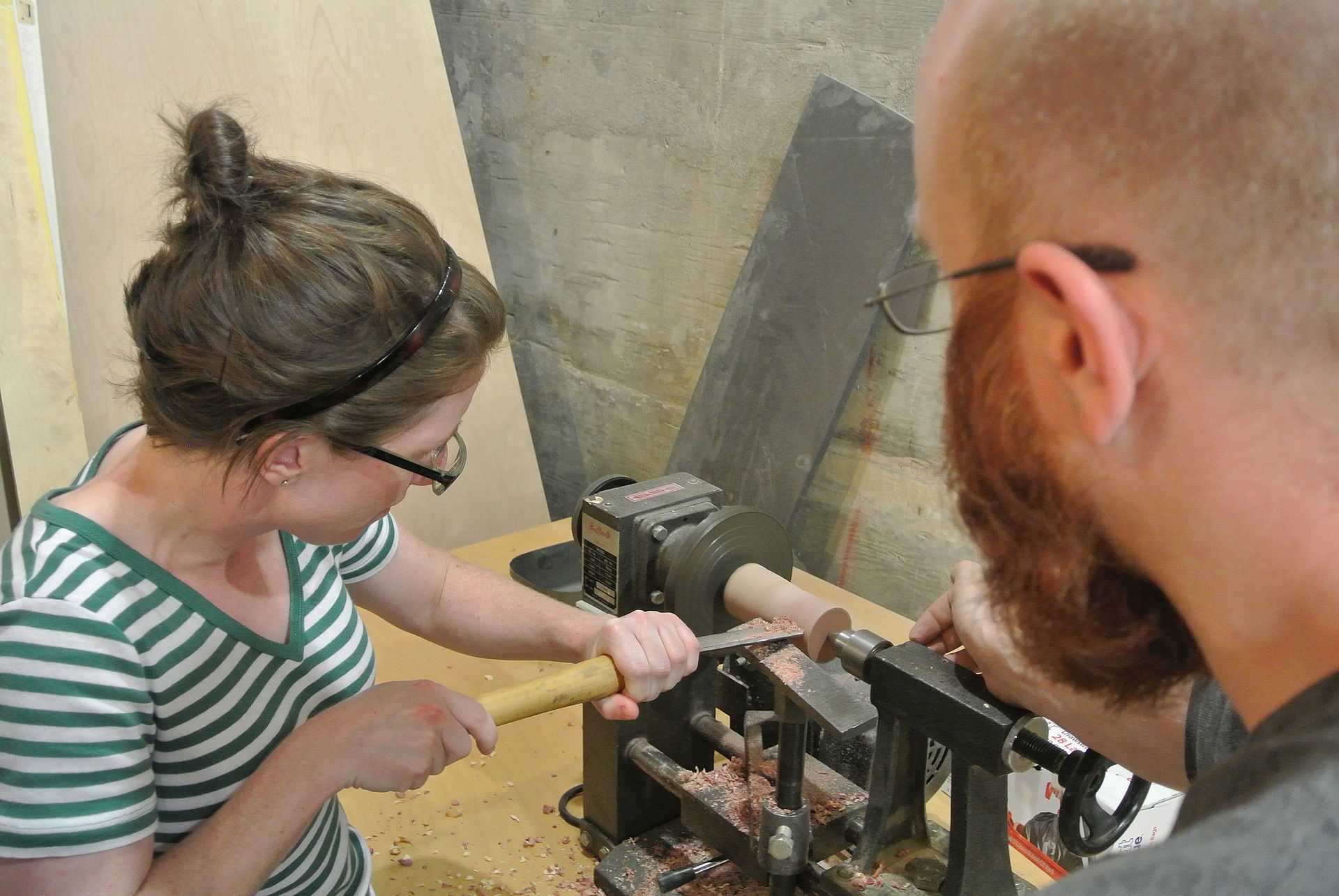
Midi is the size class between a benchtop mini (8-to-10-inch swing, often fixed or step-pulley speed) and a full-size floor lathe (16-to-20-plus inches, 200-plus pounds, often 220 volts). The 1221VS sits at the top of midi: a 121-pound cast-iron machine you bolt to a bench or a stand, with enough mass to turn bowls and enough bed to turn spindles up to about 20 inches long.
The “1221” is the shorthand. It nods to a nominal 12-inch swing and a 21-inch bed. The real numbers, pulled from Jet’s own spec page and confirmed against the manual, run slightly different, and the differences matter when you are deciding whether a blank fits.
Every figure below was verified on jettools.com and in the official parts manual in June 2026.
Spec and electrical reality
| Spec | Jet JWL-1221VS | Source |
|---|---|---|
| Motor | 1 HP, DC | jettools.com |
| Voltage / amps | 115V, 6 A | jettools.com |
| Recommended circuit | 10 A | jettools.com |
| Speed ranges | 60-900 / 110-1,800 / 220-3,600 RPM (three belt positions) | jettools.com |
| Swing over bed | 12-1/2 in | jettools.com |
| Distance between centers | 20-1/2 in | maxtool.com (Jet spec) |
| Spindle thread | 1 in x 8 TPI | beavertools.com (Jet part) |
| Spindle / tailstock taper | MT2 both ends | maxtool.com (Jet spec) |
| Spindle bore | 3/8 in | jettools.com |
| Indexing | 24 positions | jettools.com |
| Net weight | 121.25 lb | jettools.com |
| Warranty | 5 years | jettools.com |
| Street price | ~$990 | eagle-tools.com, woodcraft.com |
Read the electrical row twice. The 1221VS is a 115-volt machine, which is the whole reason it lives in so many garages and spare bedrooms: no electrician, no 220-volt sub-panel, no commitment. But 1 HP pulling 6 amps wants a circuit it does not have to share. The recurring complaint in owner threads is breaker trips, and it is almost always the same story: the lathe is on a kitchen or garage circuit that is also feeding a shop vac, a space heater, or a dust collector, and a heavy roughing cut spikes the draw past what the breaker tolerates. Give it a dedicated 15-amp or 20-amp line and the problem disappears.
The variable speed is the whole pitch
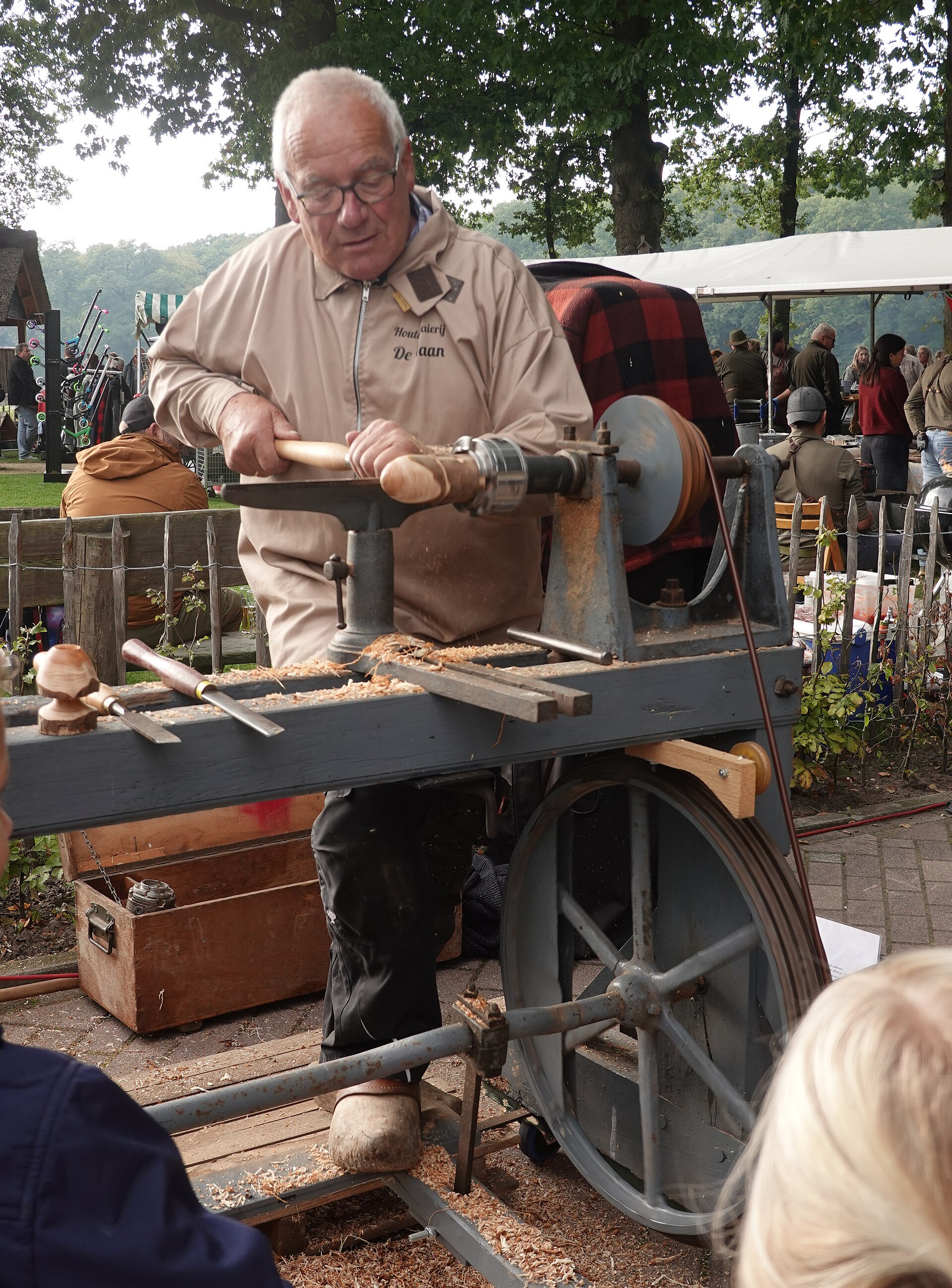
Step-pulley lathes change speed by stopping, opening a cover, and moving a belt by hand. You do that constantly, because roughing a blank wants low RPM and finish sanding wants high RPM, and a single project crosses that range several times. Electronic variable speed means you turn a dial instead.
The 1221VS layers two systems. A dial gives continuous speed control within whatever range you are in, and a three-position belt sets the range: 60-900 RPM for big, out-of-balance roughing, 110-1,800 for general work, 220-3,600 for small spindles, pens, and sanding. You still move the belt to jump ranges, but inside a range you never touch it, and that covers most of a turning session without opening the cover.
Owners describe the experience the same way over and over. On the Penturners forum thread where 11 turners weighed in on a first-lathe decision, the Jet’s “wider speed range, superior speed control, and a much heavier base” came up as the reason to pick it over the Laguna. On WoodBarter, a 13-person thread, one owner put it plainly: “Absolutely love mine, it has been a great lathe.” The smoothness at low RPM is what people pay for. Roughing a wet, lopsided bowl blank at 500 RPM without the motor bogging or the dial feeling jumpy is the difference between this lathe and the budget tier.
What owners report after years
For the long-run picture, the AAW forum, WoodBarter, Penturners, LumberJocks, and Sawmill Creek are where the owners talk. The threads are cited in Sources:
- Longevity is the headline. Multiple owners report 5-to-10-year service with no major repair. The cast-iron build and the quiet, vibration-free running come up constantly. “Rock solid and very quiet, no vibration” is a representative line.
- The most-reported failure is the speed control. On the AAW thread specifically about a dead variable-speed control, the consensus diagnosis is the potentiometer first, control-board components second. One owner had the speed switch go wobbly inside 10 hours of use. This is the known weak point. It is not frequent enough to call the lathe unreliable, and the 5-year warranty covers it, but it is the thing to ask about when buying used.
- Belt tension is a setup gotcha, not a defect. A ticking sound at speed traces to an over-tight belt. The fix owners pass around: leave about a half-inch of deflection, never run the poly-V belt drum-tight, because high tension chews through belts and bearings early.
None of that is fatal. The pattern across hundreds of posts is a machine people keep and recommend, with one electronic component worth knowing about.
How big a bowl can a 12-inch lathe turn?
Here is the honest answer the spec sheet will not give you. A 12-1/2-inch swing does not mean you turn 12-1/2-inch bowls. Swing is measured center-of-spindle to bed, doubled. Subtract the bed and banjo you need to clear, subtract the tool-rest room, and the practical ceiling on a 12-1/2-inch swing lands around 10 to 11 inches for a bowl you can actually work comfortably.
That is plenty for the bowls most people turn. Salad bowls, fruit bowls, serving bowls, and platters live in the 8-to-11-inch range. The 1221VS turns all of them. Where the 12-inch swing bites is when you decide you want a 14-inch salad bowl or a big platter, and there is no fixing that on this machine short of an outboard setup most turners never bother with.

Spindle work is where the 1221VS shines without an asterisk. The 20-1/2-inch bed handles table legs, pepper mills, tool handles, balusters, and pen blanks all day. Pen turners in particular love it, because the high range spins small work fast and the variable dial makes fine control easy. If you find yourself wanting more length, Jet sells a bed extension that pushes capacity past 40 inches between centers.
What fits on a 12-by-21
| Project | Fits on the 1221VS? | Notes |
|---|---|---|
| Pens, bottle stoppers, small spindles | Yes, ideal | High range and fine speed control suit small work |
| Bowls 8-11 in | Yes | The bread-and-butter use case |
| Platters up to ~11 in | Yes | Watch tool-rest clearance on wide, flat work |
| Bowls 12-14 in | No | Beyond practical swing; needs a full-size lathe |
| Table legs, balusters (to ~20 in) | Yes | Bed length is the constraint, not swing |
| Spindles 20-40 in | With bed extension | Optional accessory extends between-centers capacity |
| Large hollow forms, deep vessels | Limited | Midi mass and swing cap ambition here |
When the projects you keep sketching are 14-inch bowls and 30-inch deep vessels, you have outgrown midi and want a full-size lathe. Our midi vs full-size lathe guide walks the capacity math, and the Powermatic 3520C review covers the American full-size benchmark people graduate to.
Cost per capability, against the rivals
The 1221VS does not turn in a vacuum. Two machines bracket it: the Rikon 70-220VSR underneath on price, and the Laguna Revo 12|16 alongside on design. All three are 12-class midi lathes with electronic variable speed and a 1 HP motor. The differences are in the details that decide a purchase.
| Jet JWL-1221VS | Rikon 70-220VSR | Laguna Revo 12|16 | |
|---|---|---|---|
| Swing over bed | 12-1/2 in | 12-1/2 in | 12-1/2 in |
| Between centers | 20-1/2 in | 20 in | 15.5 in |
| Motor | 1 HP | 1 HP | 1 HP |
| Speed system | 3 ranges, 60-3,600 RPM | 1 continuous range, 250-3,850 RPM | 3 ranges, 50-3,500 RPM (PWM) |
| Spindle | 1 in x 8 TPI, MT2 | 1 in x 8 TPI, MT2 | 1 in x 8 TPI, MT2 |
| Net weight | 121 lb | ~115 lb | ~107 lb |
| Warranty | 5 years | 5 years | 2 years |
| Street price | ~$990 | ~$800 | ~$1,000+ |
The interesting rows are speed and warranty. The Jet and Laguna give you three belt ranges; the Rikon runs one wide continuous range, which means it cannot get its lowest speed as low as the Jet’s 60 RPM range, and some owners want that floor for big out-of-balance blanks. The Laguna’s pulse-width-modulation motor holds torque at very low RPM well, but Laguna ships a 2-year warranty against Jet’s 5, and on the Penturners thread the longer warranty was the single most-cited reason turners chose Jet over Laguna. The Laguna’s 15.5-inch bed is also the shortest of the three, which rules out longer spindle work without its extension.
Who should buy the Rikon instead, and who should step up
Buy the Rikon 70-220VSR if the roughly $200 difference is better spent on a chuck, a starter tool set, and a sharpening setup, which for a beginner it almost always is. Rikon owners are a happy bunch: on the WoodBarter thread, one turner reported “7 years and have had no problems,” another called it a “real good value” with a “very stout 1-inch tool post,” and a third praised Rikon’s customer support as “top class.” It is not a downgrade. It is a different point on the value curve. Our Jet 1221 vs Rikon 70-220 comparison runs the head-to-head in full.
Buy the Jet 1221VS if you want the smoothest, widest speed control in the class, value the 5-year warranty, and the premium does not pinch. It is the safe default for a reason. Spend the money once and you stop thinking about your lathe.
Step to a full-size lathe if you already know you want 14-inch-plus bowls or deep hollow forms. No midi fixes that ceiling, and buying a 1221VS first, then a full-size two years later, costs more than buying right the first time if your ambitions are clear today.
Whichever way you go, the lathe is the start of the spend, not the end. Budget for a chuck, a starter set of turning tools, and a sharpening station, because a sharp gouge on a cheaper lathe beats a dull one on an expensive lathe every time. If pens are your gateway, the pen turning starter guide maps the kit. And once a bowl comes off the lathe, you will need a food-safe finish for it.
The 1221VS earns its recommendation. The variable speed is real, the build lasts, and the one weak point is covered by the warranty. For most turners standing in front of their first real lathe, that is the machine.