Wood for Turning: Green vs Dry, Blanks, and Spalting
Woodturning blanks explained: green wood versus kiln-dried, where turners actually source their blanks, spalted wood explained, and which species turn best.
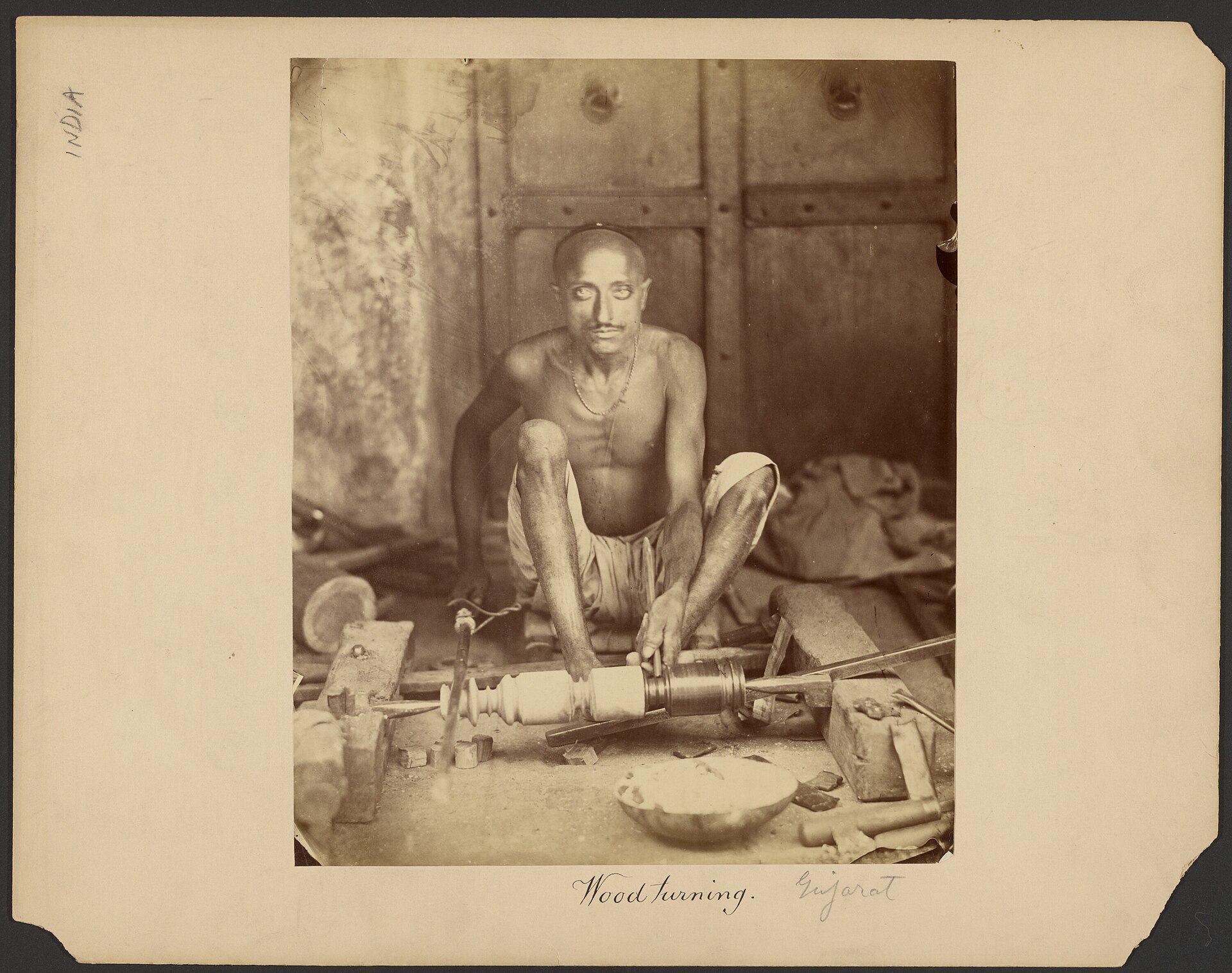
Green wood turns easily and warps as it dries. Kiln-dried wood is stable from the start and harder to cut. Most bowl turners rough-turn green wood oversize, set it aside for six months to a year, then finish-turn after it stabilizes. That two-step process is the most reliable path to a finished bowl that does not crack.
This is the standard workflow for bowl production, used by beginners and professionals alike. What varies is where the wood comes from.
Green wood vs kiln-dried
The difference is moisture content. Green wood is freshly cut and contains water in both the cell walls and cell cavities. As it dries, the wood shrinks and moves. A bowl turned to final dimension from green wood will warp into an oval as it dries. That warping is predictable and some turners embrace it for organic shapes, but if you want a round finished bowl, you need to work around the movement.
The rough-turn and dry method: Turn the outside of the bowl including the general shape, leaving wall thickness at roughly 10 percent of the blank’s diameter (a 10-inch bowl gets 1-inch thick walls at the rough stage). Let the rough bowl sit in a cool, dry place with good airflow for six months to a year. During that time it warps into a slightly oval shape. When it is dry (below 8 to 10 percent moisture content), return it to the lathe and finish-turn it to round. The second turning corrects the oval and brings the walls to final thickness.
Kiln-dried blanks: Commercially kiln-dried turning blanks are available from specialty suppliers, wood turning clubs, and some lumber yards. They are stable immediately and can be turned to final dimension in one session. The tradeoff is cost (kiln-dried blanks cost more per board foot than green wood) and limited availability in large sizes. Most blanks available commercially run up to 12 inches in diameter; finding a kiln-dried blank at 18 inches is much harder than finding a green log of that size.
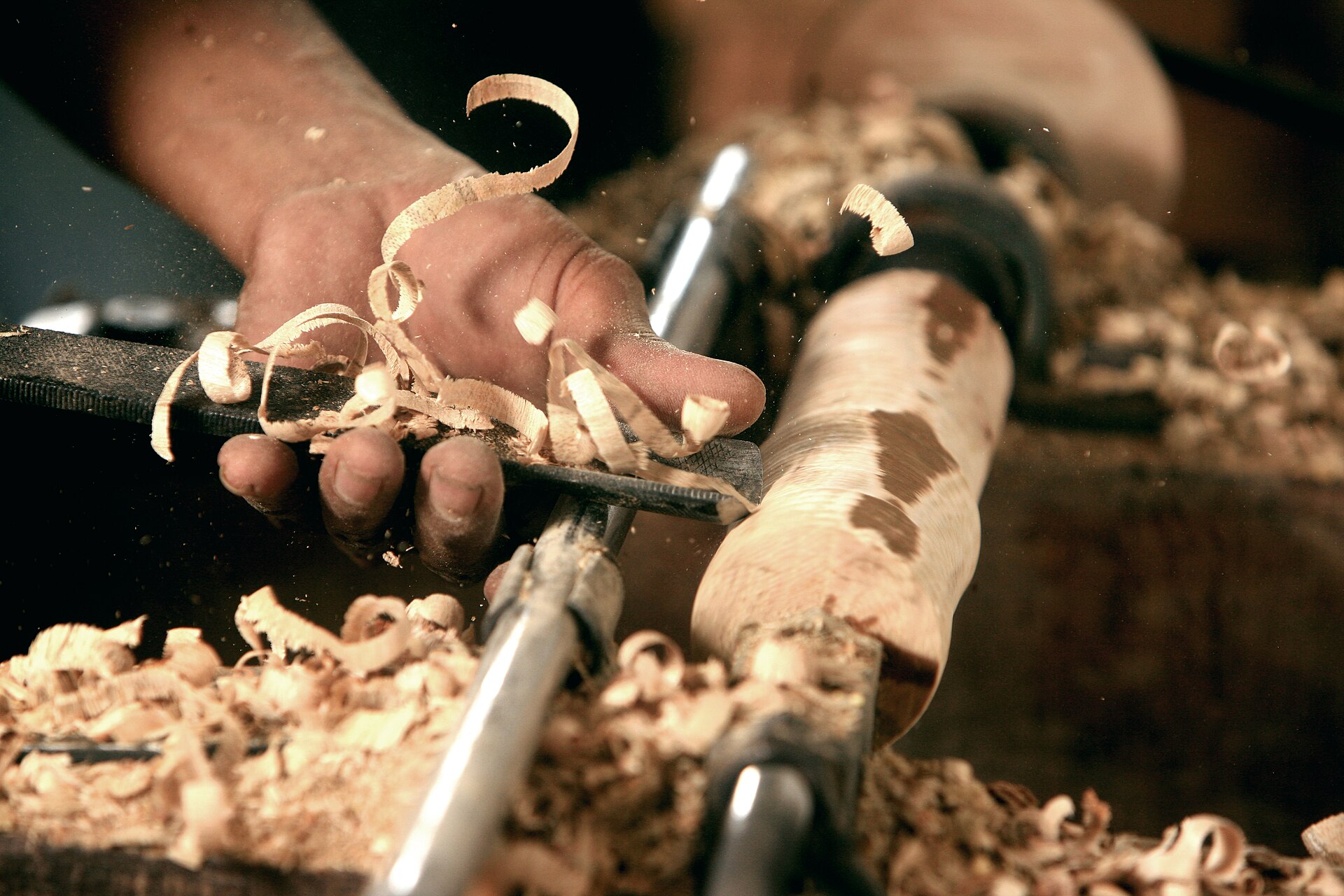
Where to find blanks
Arborists and tree services are the best source for large, free or cheap green wood. After a removal or storm cleanup, an arborist may have rounds of cherry, walnut, maple, or apple that are destined for the chipper. Ask. Many are happy to give away what they would otherwise shred. The wood is often excellent; old yard trees have grown slowly and have tight, even grain.
Firewood dealers carry the same species arborists remove. A cord of apple or cherry firewood contains hundreds of turning blanks. The cost per piece is lower than any turning supplier. The work is in identifying the good pieces and cutting them to blank dimensions before they dry too much.
Local sawmills can slab logs into turning rounds or provide slabs for face turning. A mill with a bandsaw or chainsaw mill can produce large rounds at lower cost than pre-cut commercial blanks. Ask what species they process and whether they will cut to your specification.
Wood turning clubs are a reliable source of turning blanks at reasonable prices, plus the knowledge to identify species and assess quality. Most club members turn more wood than they need and sell or give away surplus blanks at meetings. The American Association of Woodturners maintains a chapter directory.
Commercial turning blank suppliers sell pre-cut, labeled, and often kiln-dried blanks. Useful for exotic species and for consistent sizing. More expensive than local sources but reliable.
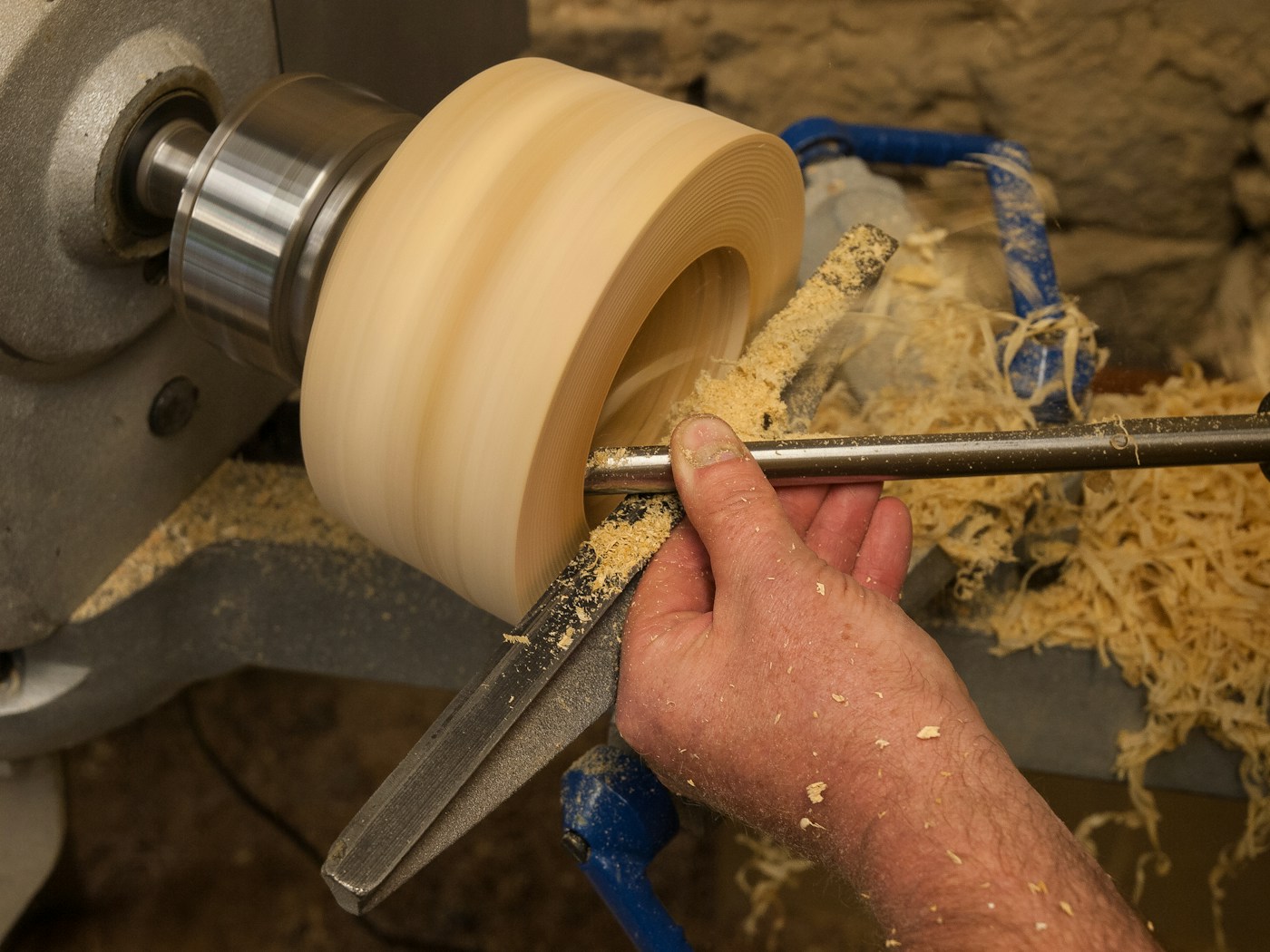
Spalted wood
Spalting is controlled early-stage decay. Fungi colonize the wood and produce zone lines (the black pencil-like lines), white rot areas, and color variations. The result is wood with patterns that cannot be designed or predicted.
The useful window for turning spalted wood is narrow. Too early and the wood just looks slightly discolored. Too late and the wood is punky, meaning it crumbles and does not cut cleanly. The ideal is wood where the zone lines are crisp and the surrounding wood is still firm. Press your fingernail into the wood; if it dents easily, it may be too far gone for structural turning.
Sources for spalted wood: partially rotted logs found in the woods after wind-throw events, old log piles that have been sitting for two to three years, and specialty blank suppliers who harvest and process spalted material commercially. You can also induce spalting by leaving green blanks wrapped in plastic for a few months, though the results are unpredictable.
Working with very punky spalted wood requires a sharp tool and very light cuts, or stabilization with thin cyanoacrylate (CA) glue applied to the spinning piece to harden the soft areas before cutting.
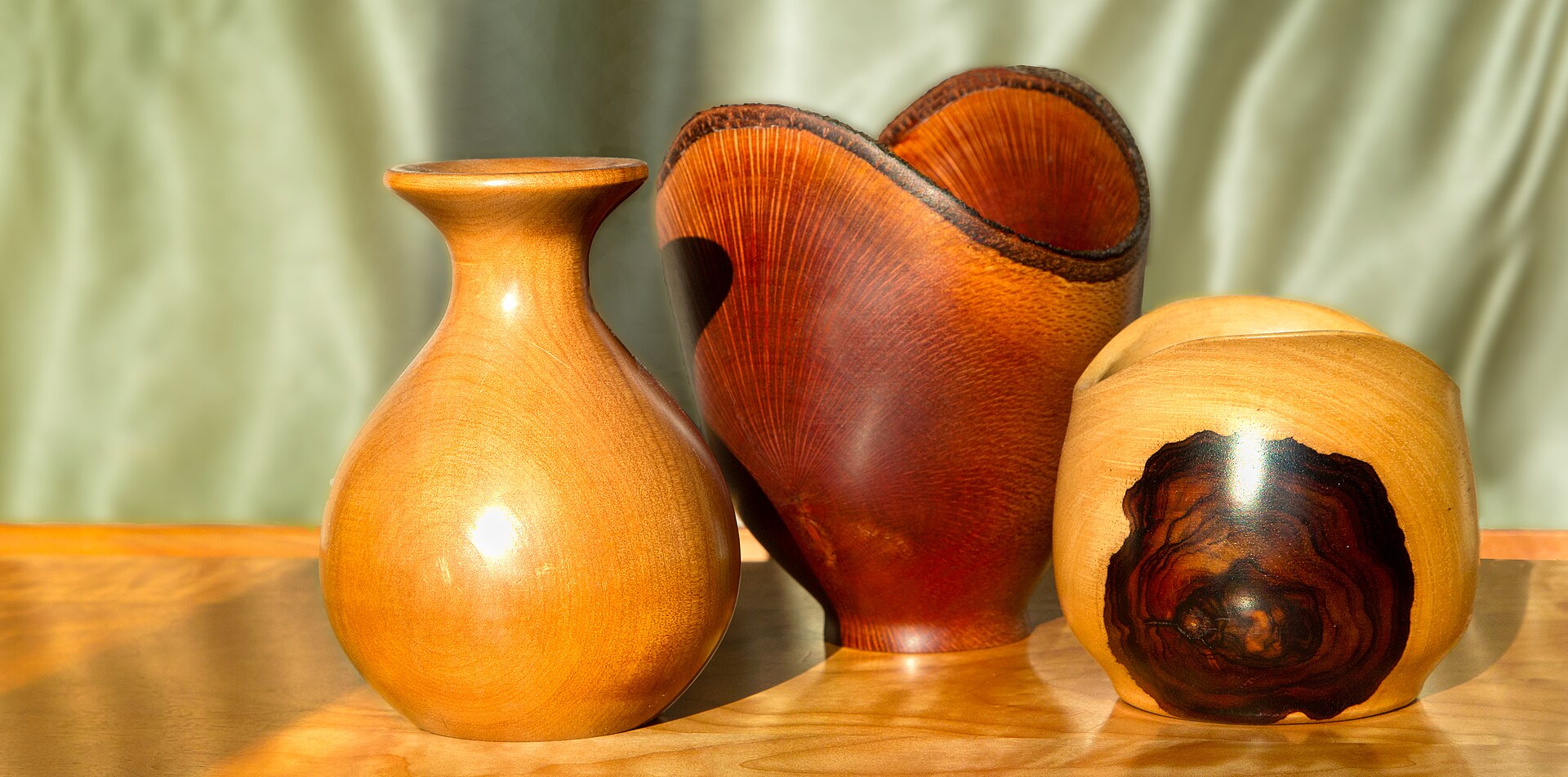
Species overview
| Species | Character | Common uses |
|---|---|---|
| Cherry | Pink-to-amber color, stable, fine grain | Bowls, vessels, spindles |
| Walnut | Dark brown, open grain, sometimes figured | Bowls, decorative pieces |
| Maple | White-to-golden, hard, takes fine detail | Bowls, pens, spindles |
| Apple | Dense, fine grain, pale pink-white | Small bowls, ornaments |
| Ash | Light, coarse grain, strong figure | Bowls, furniture turnings |
| Oak (red) | Open grain, common, affordable | Bowls, utility pieces |
| Osage orange | Bright yellow (darkens), very hard | Small bowls, tool handles |
Almost any hardwood turns well. Softwoods (pine, fir, cedar) turn but are prone to tearout on cross-grain cuts and do not take fine detail well. Stick to hardwoods for your first bowls.
Getting started
The simplest first blank is a section of cherry or maple firewood, 6 to 8 inches in diameter, cut to about 5 inches long. Bandsaw it in half through the center pith, which removes the most likely crack-prone area. Mount each half pith-side down on a faceplate or screw chuck and turn the outside. That blank costs less than $5 and produces a bowl that will outlast the lathe.
The first bowl guide covers the turning sequence from that blank to a finished piece. The lathe size guide covers which machine size fits which blank diameter. The first turning tools guide covers the bowl gouge and scraper setup you will use on the blank.