The song is a sharp gouge on spinning wood.
The lathe is the one machine in the shop that makes something whole from start to finish. Find the size that fits the bowls in your head, the tools that hold an edge, and the speed that keeps fingers and blanks intact.
Browse the reviews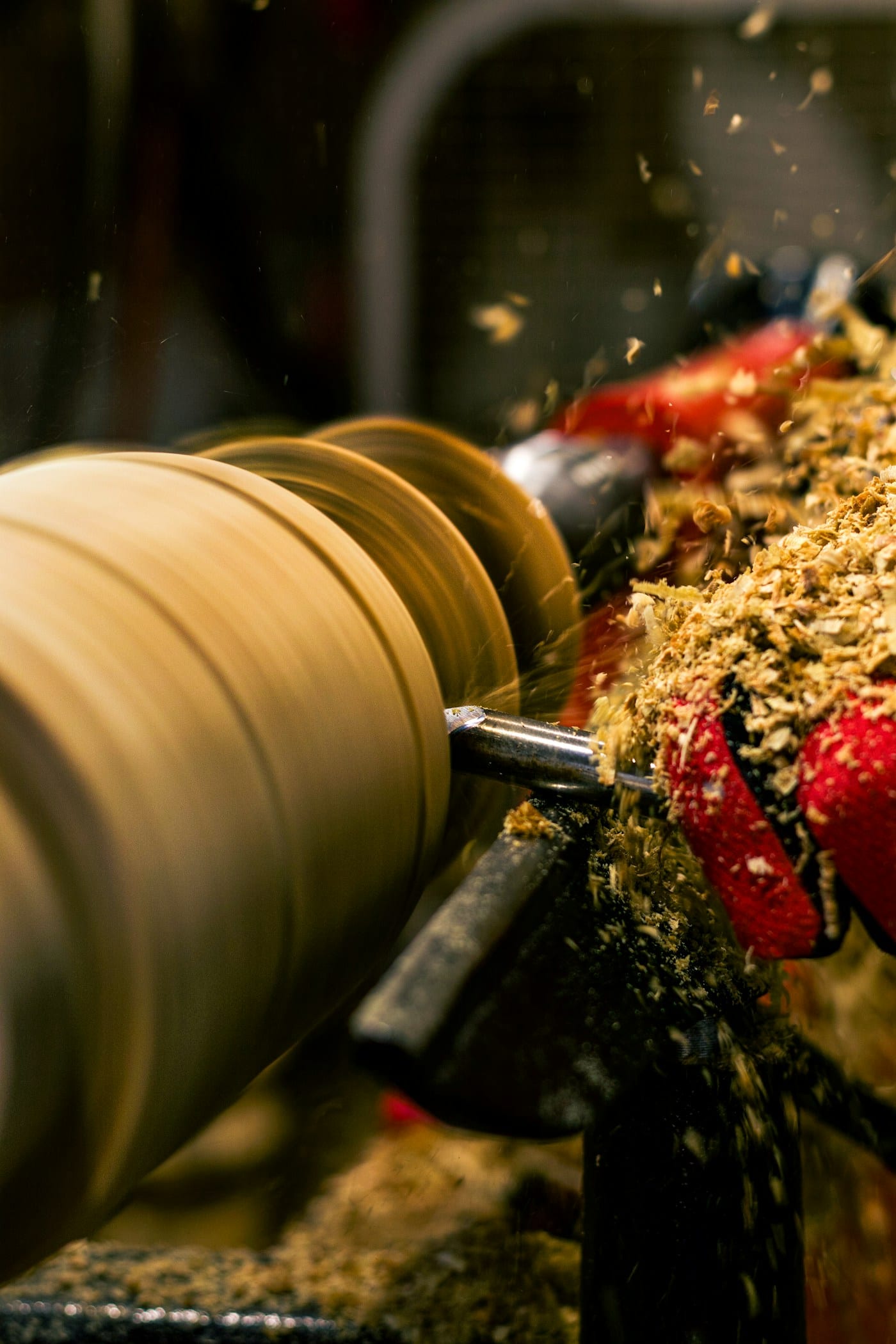
Jet JWL-1221VS Review: The Midi Lathe Owners Recommend
The Jet JWL-1221VS midi lathe reviewed: verified specs, the variable-speed experience, what a 12-inch swing really turns, and who should buy a Rikon.
Read the review →What are you turning?
Most lathe purchases are a project in disguise. Here is the iron each kind of work actually asks for.
-
Pens and small things
The gateway. A midi lathe, a mandrel, and a kit make a gift someone keeps for years. Where most turners start, and why it hooks them.
-
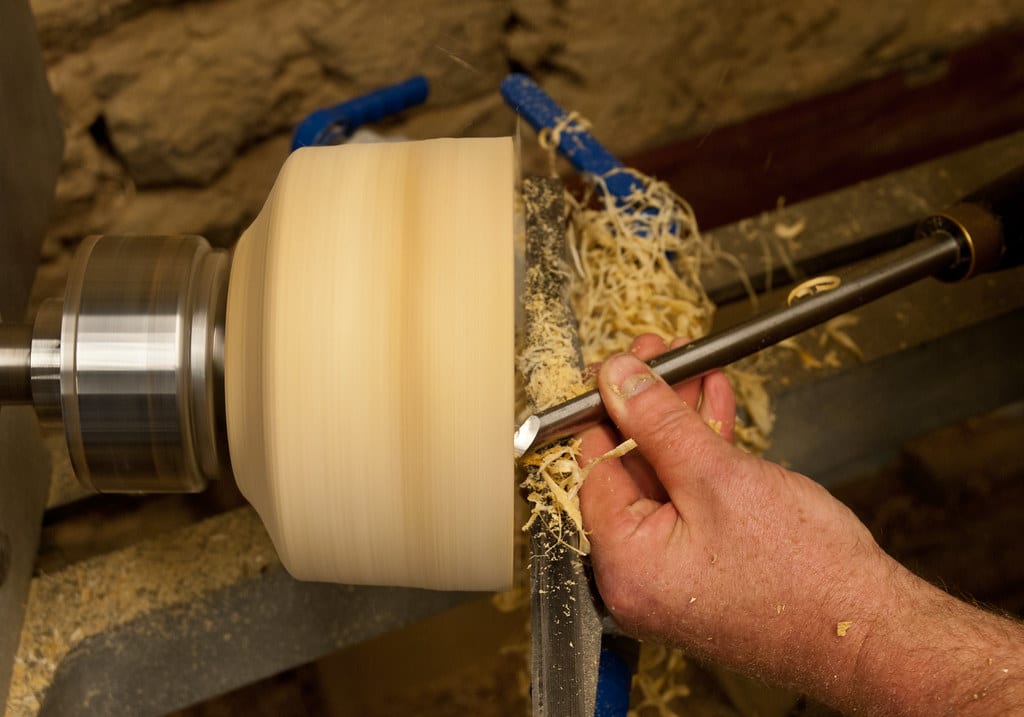
Bowls
The reason most lathes get bought. Swing capacity, chucks and jaws, green wood versus dry, and why your first bowl cracks (plus how the second one won't).
-
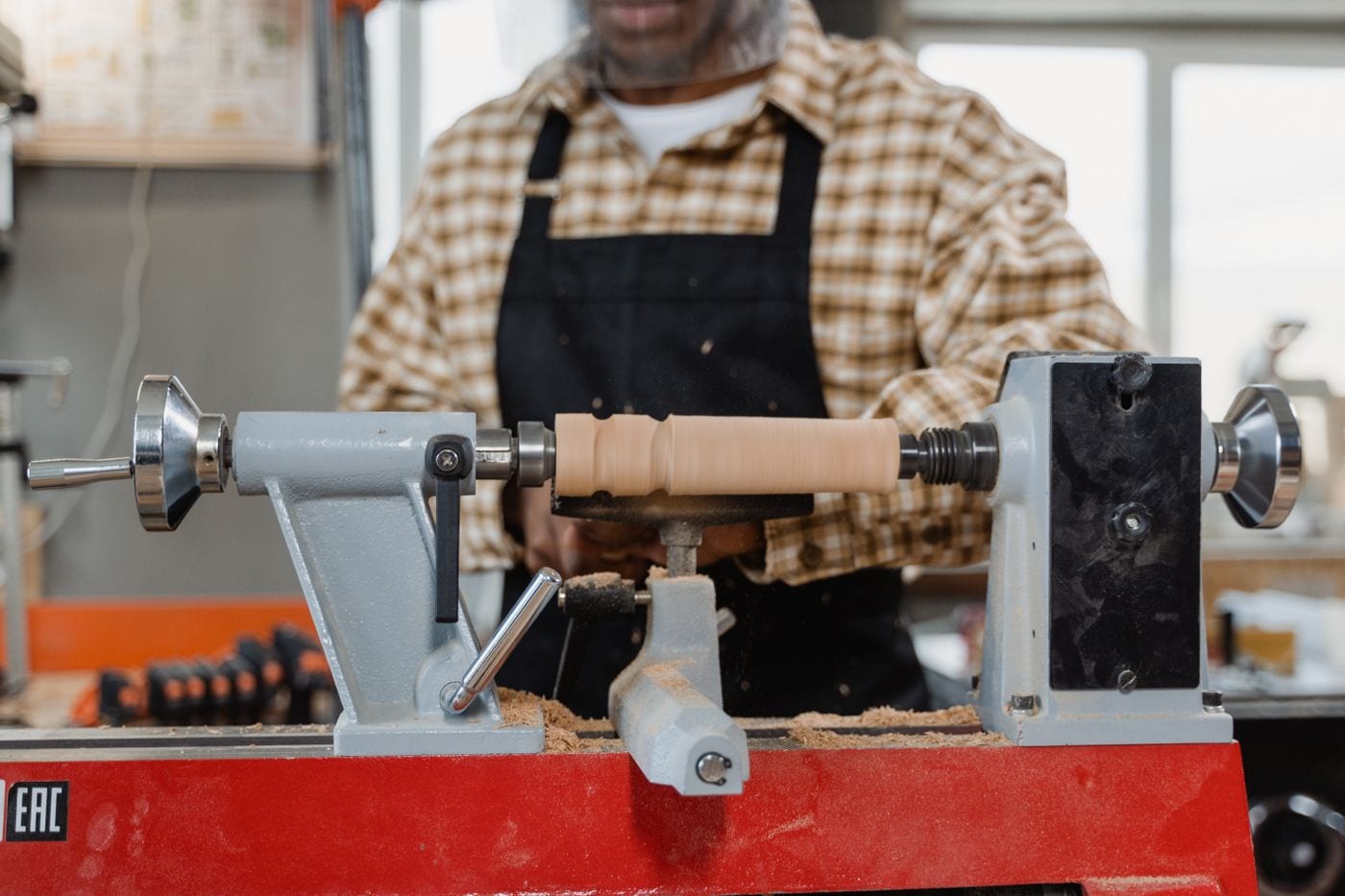
Spindles and furniture
Between centers: table legs, balusters, tool handles, rolling pins. The traditional heart of the craft, and the tooling it actually needs.
Buy the lathe for the bowls in your head, not the showroom's biggest machine.
A midi with twelve inches of swing turns pens, bowls to dinner-plate size, and a table's worth of spindles. That is most of what a turner makes in the first years, on a machine that fits against a garage wall.
Latest from the shop
- Guides

Resin Blanks for Turning: Pure Resin vs Hybrid vs Stabilized
Buying resin blanks for turning: pure resin vs hybrid wood-resin vs stabilized wood, real vendors and prices, and the dust safety differences from wood.
- Guides

Vacuum Chamber for Wood Stabilizing: Pump, Chamber, Setup
The vacuum pump, chamber, gauge, and hose a home wood-stabilizing setup needs, real picks at three budgets, the degassing process, and pump safety.
- Guides

Wood Stabilizing: Resin, Vacuum, and When to Skip It
Wood stabilizing explained: what vacuum-impregnating punky and spalted wood with resin does, how the process works, and when dense hardwood needs none of it.
- Roundups
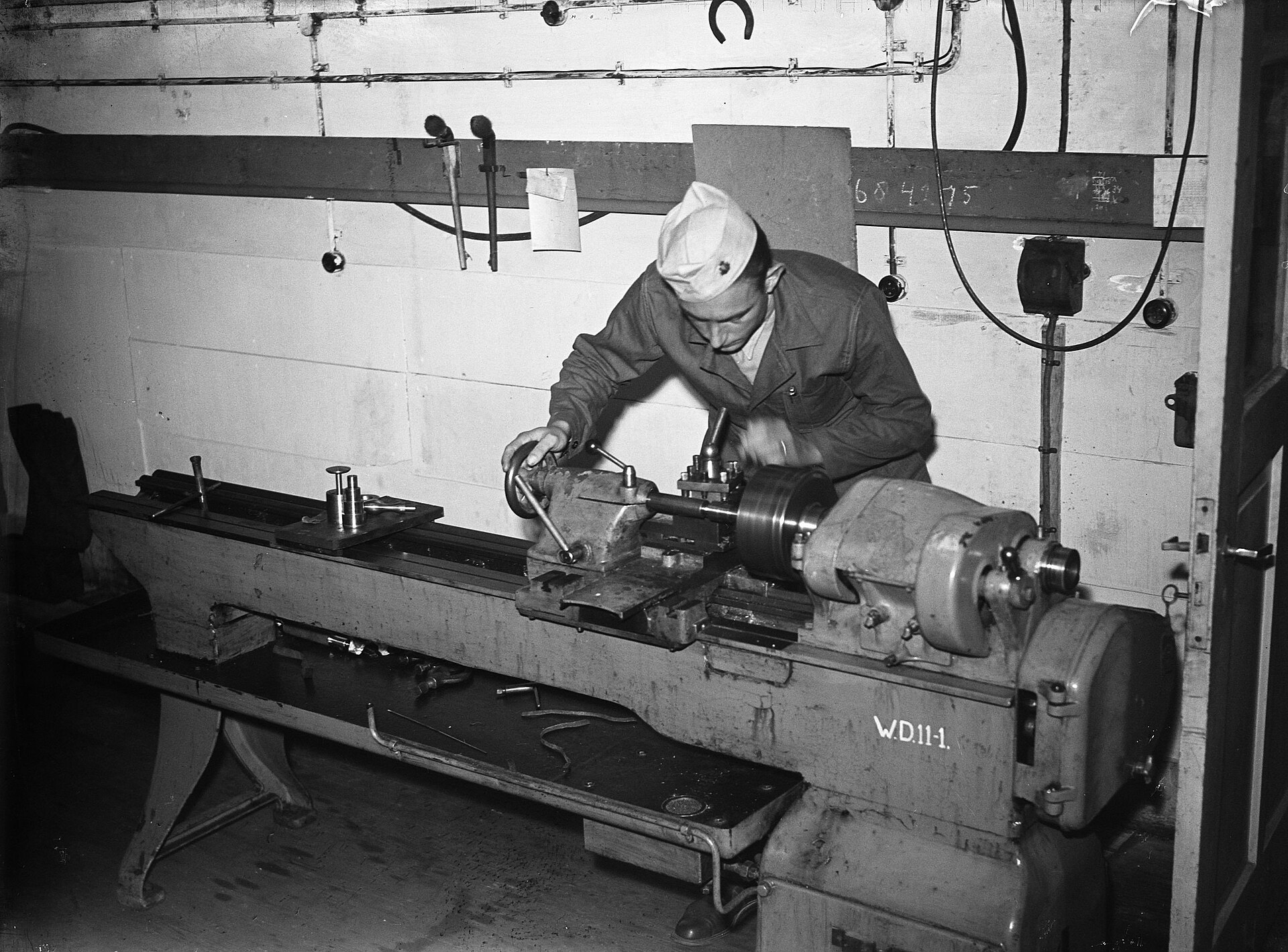
Best Full-Size Wood Lathes: Jet, Laguna, Grizzly, Powermatic
The best full-size wood lathes, ranked: the Jet JWL-1840EVS pick, the 110-volt Laguna Revo 18|36, the Grizzly G0766, and the Powermatic 3520C.
- Roundups

Best Midi Lathes and the Best Lathe for Beginners, Ranked
The best midi lathes ranked, and what a beginner should buy: the Jet JWL-1221VS pick, the budget WEN 3424T, the Laguna Revo 1216 and a used Rikon 70-220VSR.
- Guides
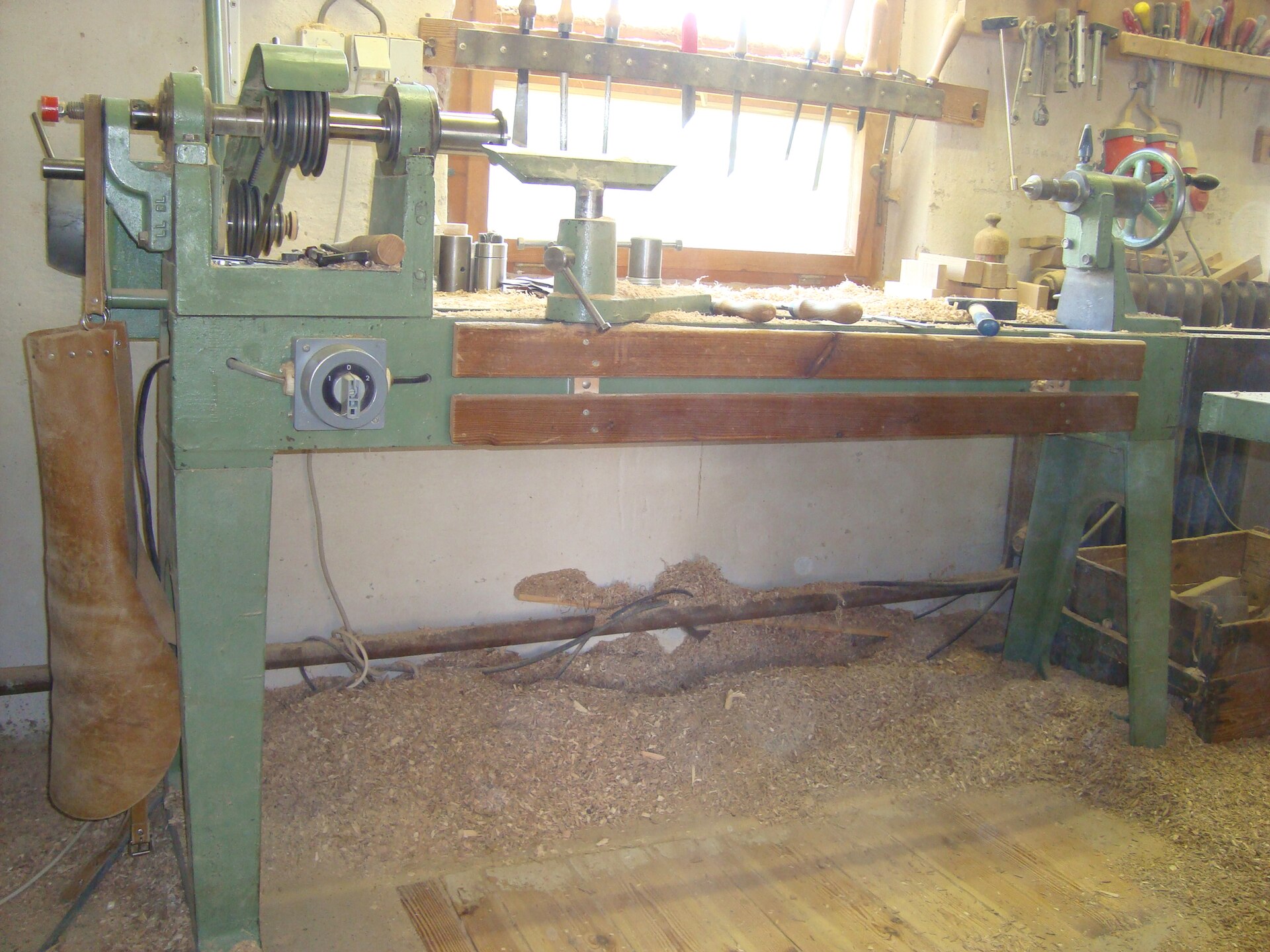
Lathe Chuck Guide: Jaws, Faceplates, and Compatibility Decoded
Woodturning chuck guide: four-jaw scroll chucks, jaw sets, faceplates, and worm screws explained by turning use case, with a spindle-thread compatibility table.
The questions every new turner asks.
What size lathe do I need?
Smaller than the showroom suggests. A midi lathe with 12 inches of swing handles pens, bowls to dinner-plate size, and most spindle work, which covers the first years of almost every turner's life. Full-size machines earn their floor space when you're roughing big green blanks regularly. Buy for your projects, not your ambitions.
Why does my bowl crack after turning?
Moisture, almost every time. Green wood moves as it dries, and a bowl turned to final thickness while wet will warp or split within days. The fix is twice-turning: rough it thick, let it dry for weeks, then return for the finish cut. Patience is the cheapest tool in the shop.
Do I need a chuck to turn bowls?
You can start with a faceplate and screws, which is how generations did it. A four-jaw chuck is the upgrade that makes bowl work fast and repeatable, and one good chuck with a couple of jaw sets outlives several lathes. Match the jaws to your machine once and the chuck follows you from lathe to lathe.
What's a food-safe finish for bowls and boards?
Once fully cured, most modern film finishes are inert, but the practical kitchen answers are simpler: pure tung oil, walnut oil, or a beeswax blend for boards and utensils, all renewable with a rag. Mineral oil works and never cures, which is both its virtue and its chore.